Equipment appraisals

Industrial Equipment Appraisals by Certified Equipment Appraisers

Federal Equipment Company appraises chemical, plastics, food, pharmaceutical, and lab equipment for lenders, attorneys, accountants, and owners. Owners use our appraisals when planning a sale or recording machinery and equipment values after an acquisition. We buy and sell the same equipment we appraise, so our values draw on what similar machines have actually sold for.

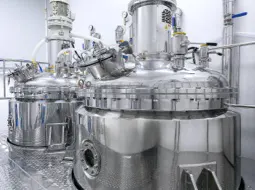
Stainless steel process tanks with Federal Equipment Company stock tags at the warehouse in Cleveland, OH
CEACertified Equipment Appraisers through AMEA
1957Buying and selling used process and packaging equipment
300+Online auctions held since 2019
60+Years of combined appraisal experience on our team
4Standards of value, from fair market to forced liquidation

Why an appraisal

Why Companies Order Equipment Appraisals

An appraisal answers a specific question. The purpose decides which value the report gives and how closely the appraiser needs to inspect the equipment.

Acquisitions and Purchase Price Allocation

Much of our appraisal work follows an acquisition. The buyer has to value the machinery and equipment it acquired and record those values on its books, a step often called purchase price allocation or asset value allocation. An appraisal gives your accountants an asset-by-asset value to work from.

Lending and Financing

Banks and asset-based lenders use equipment as collateral, so they need a value they can lend against. A complete appraisal includes a site visit that confirms each asset exists and records its condition. Lenders often ask for orderly or forced liquidation value, since those estimate what the equipment would likely bring if it had to be sold.

Planning a Sale or Plant Closure

Before a plant closes or a line is retired, an appraisal estimates what the equipment is likely to bring under different sale methods. That helps you set a recovery budget, choose between an auction and a private sale, and judge the offers you receive.

When you are ready, our team can also handle the sale.

Selling surplus equipment

Accounting, Tax, and Legal

A complete appraisal includes an on-site inspection of each asset, which attorneys and CPAs may require. A documented value also supports financial reporting and capital planning. If a property tax assessment on your equipment looks high, an appraisal gives you a documented value to support an appeal.

Types of appraisal

Complete and Desktop Equipment Appraisals

The two types differ in whether the appraiser inspects the equipment in person. The right scope depends on how the appraisal will be used and who will rely on it.

TypeWhat the appraiser doesBest for
Complete appraisalVisits the site, inspects and photographs each asset, and lists it with an individual value and a total. When no reliable asset list exists, the appraiser builds one.Lenders, attorneys, and CPAs who need verified values for every asset
Desktop appraisalValues the equipment from your asset list, photos, and nameplate data, without a site visit.Equipment with a good asset list, when the use doesn't require an inspection

Standards of value

Fair Market Value, Orderly Liquidation, and Forced Liquidation

Every appraisal reports one or more standards of value, as defined by the Association of Machinery and Equipment Appraisers (AMEA). Each one assumes a different kind of sale, so the same machine can carry very different figures.

Fair market valueThe most probable price a willing buyer and a willing seller would agree on, with neither under pressure to act and both aware of the relevant facts. It suits a planned sale with no deadline.
Fair market value in placeFair market value for equipment as installed and used for its intended purpose at its current site. It applies when equipment stays where it is, such as when a plant or production line changes hands as a working operation.
Orderly liquidation valueThe price the equipment would likely bring in a properly advertised, professionally managed private sale by a seller who must sell within an extended period, usually six to twelve months. Items sell one at a time, as is, and buyers pay to remove them.
Forced liquidation valueThe price the equipment would likely bring at a properly advertised public auction held under forced-sale conditions. Items sell one at a time, as is, and buyers remove them at their own cost and risk.

Tell us how the appraisal will be used, and we will recommend which values to include.

How it works

How an Equipment Appraisal Works

Five steps, from your first call to a signed report.

  1. 01

    Tell Us the Purpose

    Start by telling us why you need the appraisal and who will rely on it, such as a lender, an attorney, or your own finance team. The purpose decides which standards of value the report includes and which type of appraisal fits. We review each request and confirm the scope, timeline, and fee before any work begins.

  2. 02

    Send the Asset List and Photos

    An export from your fixed asset register works, and so does a list typed up on the plant floor. Add a photo of each machine and its nameplate, plus the site address. The nameplate shows the manufacturer, model, and serial number. The manufacturer and model drive most of the value.

  3. 03

    Site Inspection

    For a complete appraisal, the appraiser visits the site. They confirm the equipment is there, record its condition, and note anything that changes the value, such as missing parts, heavy customization, or a difficult removal.

  4. 04

    Research Comparable Sales

    We start with sales of similar equipment from our own inventory, auctions, liquidations, and private treaty sales, and add outside market data when a machine calls for it. Our records show prices buyers actually paid, which can differ widely from asking prices on listings.

  5. 05

    Signed Appraisal Report

    You receive a written report with the values your agreed scope calls for, from individual asset values to totals for grouped lots. A complete appraisal report also records condition, includes photographs, and explains the definitions and approaches to value used. Every report states the effective date of the value and the assumptions behind it, and the Certified Equipment Appraiser who prepared it signs it.

What drives value

What Affects the Appraised Value of Equipment

Condition, age, and the degree of customization are the starting points. A standard machine from a known manufacturer appeals to more buyers than one built around a single product. Manuals, maintenance records, and a readable nameplate also make equipment easier to sell, which supports its value.

Market demand does the rest. When many similar machines are for sale and few buyers want them, values fall. The appraiser also weighs where the equipment sits, how hard it is to remove, and whether a group of assets will draw enough buyers to compete.

Clear title is often overlooked. A lien or other title issue can make equipment difficult to sell. Sharing the ownership history and the plants where the equipment ran helps buyers trust what they are getting.

What we appraise

Equipment We Appraise

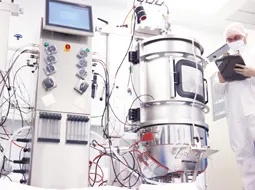
We appraise only the kinds of process, packaging, and laboratory equipment we buy and sell. An appraisal can cover a single reactor or a whole plant's worth of that equipment. That includes chemical processing equipment, plastics and rubber machinery, food processing lines, packaging lines, pharmaceutical and biotech equipment, and laboratory and scientific instruments.

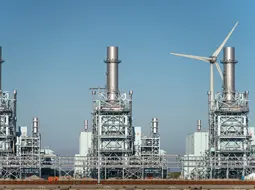
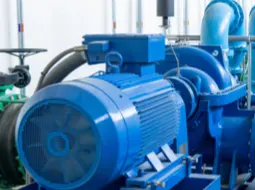
Complete production lines and plant utilities such as boilers and compressors are included. Select an industry below to see the equipment we stock today.

FAQ

Equipment Appraisal FAQs

Still have a question? Call 800-652-2466 or email sales@fedequip.com.

What is an equipment appraisal?

An equipment appraisal is a written opinion of value for machinery and equipment as of a specific date, prepared by a qualified appraiser. The report identifies the equipment, states the standard of value used, such as fair market value or orderly liquidation value, and explains how the appraiser reached the figures.

What is the difference between orderly and forced liquidation value?

Both assume the equipment sells one item at a time, as is, with buyers paying for removal. Orderly liquidation value assumes a professionally managed private sale over an extended period, usually six to twelve months. Forced liquidation value assumes a public auction held under forced-sale conditions, so it is generally the lower of the two.

Can you appraise equipment without a site visit?

Yes. A desktop appraisal values equipment from your asset list, photos, and nameplate data, without a physical inspection, so it is usually quicker. Because it relies on the information you supply, it suits some uses better than others, and lenders often prefer an appraisal that includes a site visit.

Are your equipment appraisers certified?

Yes. Federal Equipment Company's appraisers are Certified Equipment Appraisers (CEA) through the Association of Machinery and Equipment Appraisers (AMEA), and they keep their continuing education and USPAP training current. The appraiser who prepares each report signs it.

Do you provide USPAP-compliant appraisals?

Yes. Federal Equipment Company provides USPAP-compliant appraisals. Not every assignment requires one, so tell us when you request the appraisal whether yours must meet USPAP.

Do I have to sell my equipment through Federal Equipment Company to get an appraisal?

No. An appraisal is a paid professional service, separate from any offer to buy your equipment. USPAP requires appraisers to be impartial, so Federal Equipment Company does not make a sale a condition of an appraisal.

Do you disclose any interest you have in the equipment you appraise?

Yes. If we have a current or prospective interest in the equipment, such as an offer to buy it or a role in selling it, we disclose it in the appraisal report.

What do you need to start an equipment appraisal?

Send a list of the equipment, a photo of each machine and its nameplate, the site address, and the reason for the appraisal. An export from your fixed asset register works. If no list exists, a complete appraisal can build one during the site visit.

Do you appraise chemical, plastics, and rubber processing equipment?

Yes. We appraise the chemical processing equipment we buy and sell, such as reactors, tanks, dryers, and mixers, along with plastics and rubber machinery, such as extruders, granulators, and pelletizers. Our appraisers work from what similar machines have recently sold for.

Do you appraise laboratory and scientific equipment?

Yes. We appraise analytical, QC, and R&D laboratory instruments along with production equipment. We also sell lab equipment through our inventory and auctions, so our values reflect current demand.


Get started

Request an Equipment Appraisal

Tell us what needs to be appraised, where it is, and how the appraisal will be used. If you have a longer list, we will contact you after you submit the form, and you can send the list and a photo of each nameplate then.

  • Certified Equipment Appraisers (AMEA)
  • USPAP-compliant appraisals available
  • Complete or desktop appraisals
  • A signed, written report

Prefer to talk? Call 800-652-2466 (international +1 216-271-3500) or email sales@fedequip.com.

Tell us about the equipment

Fields marked with * are required