Plastics recycling

Used Plastic Recycling Equipment from Bale to Pellet

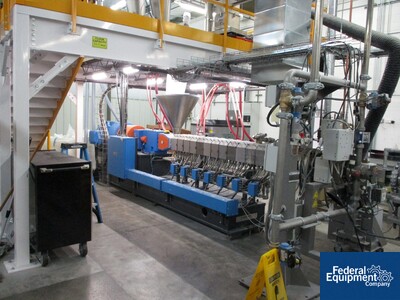
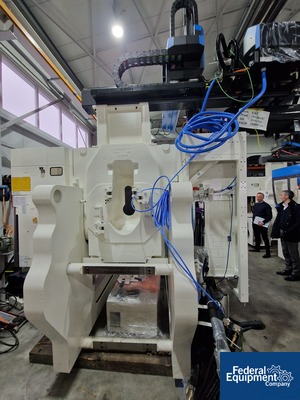
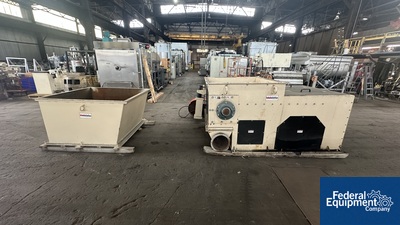
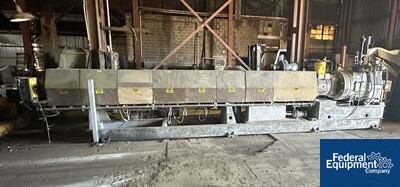
Federal Equipment Company buys and sells used plastic recycling equipment from more than 1 million sq ft of storage in Cleveland, OH. We handle the machines that turn scrap plastic back into pellets: balers, shredders, plastic granulators, wash lines and float-sink tanks, dryers, densifiers, and recycling extrusion and pelletizing lines, including Erema recycling lines.

Shredded mixed plastic flake moving up an inclined conveyor into a discharge housing at a plastics recycling plant
3rdgeneration, family-owned and operated
1957Founded in Cleveland, OH
1M+ sq ftStorage space in Cleveland
300+Online auctions since 2019
275+Equipment categories

What this covers

What Plastic Recycling Covers, from Regrind to PCR Pellets

Plastic recycling turns scrap back into a material a processor can run again. What a line needs depends on how contaminated the scrap is and how many resins it mixes. Post-industrial scrap from manufacturing is often clean and single-resin, while post-consumer plastic is typically mixed, printed, or dirty.

Our family has run the business for three generations, buying and selling used process and packaging equipment since 1957. We can purchase a closing recycling plant's equipment, consign its lines for sale, or run an auction for the whole site.

The extruders, film lines, and molding machines that run recycled pellets are on our plastic processing equipment page. Twin-screw lines that blend recycled resin with fillers and additives are on our plastics compounding equipment page. Cooling water and compressed air for a recycling line come from the machines on our plant utility equipment page.

Recycling equipment reaches us when a recycling plant closes, or when an extrusion, foam, or molding plant shuts down the reclaim equipment beside its production. Many complete lines sell at on-site auctions held with our partners and never reach our warehouse, so ask even when nothing is listed.

Process train

The Plastic Recycling Process, Step by Step

The steps below show a typical post-consumer line, not a fixed order. Lines vary with the feedstock, and sorting can happen at several points: on whole items before shredding, after washing, or on the finished flake. Cleaner scrap skips the steps it does not need.

Step 1: Bale breaking and infeed

Post-consumer plastic usually arrives in bales, so many lines start with a bale breaker or an infeed conveyor that opens the bales and spreads the material out. Balers compact film, trim, and bottles into those bales at the source. Magnets over the belt pull out ferrous tramp metal. Metal detectors catch steel and nonferrous metal alike and trigger a reject gate or stop the line.

Step 2: Shredding

A shredder makes the first cut, turning bales, purgings, lumps, and bulky parts into pieces a granulator can take. Single-shaft shredders push material against a rotor with a hydraulic ram and size it through a screen. Dual-shaft and quad-shaft shredders tear it apart between slow, high-torque cutters. We have handled all three designs, up to a 400 HP dual-shaft shredder.

Step 3: Granulating

A plastic granulator cuts shredded material or clean scrap into flake or regrind against a sizing screen. On a wash line it is often a wet granulator, fed with water so the knives stay cool and washing starts in the cutting chamber.

Step 4: Washing and float-sink separation

Washing takes off labels, adhesives, food residue, and dirt. Lines typically pair a prewash screw with friction washers, which scrub the flake with a high-speed rotor inside a screen. In a float-sink tank, polyethylene and polypropylene float, while PET, PVC, and heavier contaminants sink. We have handled a complete Lindner washing and drying line for post-consumer film.

Step 5: Sorting

Optical sorters use near-infrared cameras to identify polymer types and color cameras to separate by shade, then fire air jets to reject what does not belong. Eddy current separators remove aluminum and other nonferrous metals that magnets cannot.

Step 6: Drying

Mechanical dryers, such as centrifugal dryers and the loop dryers used on film lines, spin most of the water off washed flake, and a thermal dryer finishes the job. PET and other moisture-sensitive resins are crystallized and then dried, often in a desiccant dryer, though some lines dry under vacuum instead. Water left in the melt breaks down the polymer.

Step 7: Densifying and feeding

Film and fiber flake are too light for an extruder screw to pull in at a steady rate. A densifier uses friction heat to shrink the flake into dense crumbs, and a crammer feeder forces light material into the feed throat. Erema lines build this step into the extruder with a cutter compactor, a rotor-driven vessel that cuts, heats, dries, and compacts the material.

Step 8: Extrusion and melt filtration

The extruder melts the flake, and vented or degassing zones draw off moisture and volatiles from inks and residues. Manual and hydraulic slide-plate screen changers suit clean feedstock. Backflush filters and continuous self-cleaning filters, such as Erema's laser filter, handle heavier contamination without stopping the line.

Regrind beside the press

Not every recycling job needs a line. Molders and extruders grind sprues, runners, trim, and rejects in a granulator at the machine. A vacuum loader and a blender then meter the regrind back into virgin resin at a set ratio.

Terminology

Plastic Recycling Machines and the Names Buyers Use

Recycling equipment goes by several names. These are the terms buyers use most.

Regrind, PIR, PCR, and repro

Post-industrial recycled (PIR) material is manufacturing scrap, such as trim, startup waste, and off-spec product, that leaves the process it came from, usually sold to a recycler or reprocessor. Scrap reground and fed back into the same process is in-plant regrind, which is generally not counted as recycled content. PCR is post-consumer recycled resin, and reclaim or repro means scrap that has been melted and pelletized again.

Preprocessing and size reduction

Preprocessing covers everything before the extruder, from bale breaking to drying. Size reduction is the narrower term for shredders, granulators, and the hog mills built for thick purgings.

Densifiers, agglomerators, and cutter compactors

All three make light material dense enough to feed. A densifier, also called an agglomerator, is a stand-alone machine, while a cutter compactor sits on the extruder and feeds it directly.

Range we have handled

Plastic granulatorsUnder 1 HP to 300 HP
ShreddersSingle-, dual-, and quad-shaft, up to 400 HP
Erema recycling lines850 to 3,500 kg/hr nominal, depending on feed material
Cutter compactorsAbout 33 to 50 cu ft
Reclaim extrudersA 3-inch side-fed unit to the 212 mm melt extruder of an INTAREMA 2021 TVEplus model

These ranges are examples of what we have handled, not a limit on what we can source. Erema series recur, from PC and RM TVE lines to INTAREMA TVEplus lines. We have also handled a Hydreclaim film reclaim line and a Hydreclaim side-fed reclaim extruder.

Rated output on a recycling line depends on the feed material, so judge a used line against the material you will run, not the top of its range.

Services

Inspection, Freight, and Line Sourcing

Three services matter most to a buyer adding recycling capacity.

Condition

Inspection and testing

We run equipment under power where we can. Buyers of recycling lines often bring an OEM representative to look over a shredder rotor, an extruder, or a pelletizer, and live video tours cover the machines you cannot visit. Motor testing and refurbishment can be arranged before shipment.

Logistics

Skidding, crating, and freight

A wash line or pelletizing line ships as many pieces: conveyors, tanks, dryers, the extruder, and the control panels. We arrange skidding, crating, and freight, and equipment can ship in days or weeks once inspection and any refurbishment are complete.

Sourcing

Line sourcing

Describe the feedstock, the resin, how dirty it is, and the output you need, then request sourcing help. We will search for a whole recycling line or for the separate machines that make one up.

Manufacturers

Recycling Equipment Manufacturers by Step

These are the makers and model series we have handled at each step of a recycling line.

StepManufacturers and model series
ShreddingSSI dual-shaft and quad-shaft shredders
Vecoplan RG series single-shaft shredders
GranulatingCumberland X1000 and X1400 heavy-duty granulators
Herbold SMS and SML granulators
Conair granulators
Nelmor granulators
Rapid granulators
Mitts & Merrill hog mills
Recycling extrusion and pelletizingErema PC, RM TVE, and INTAREMA TVEplus lines
Hydreclaim film reclaim line and side-fed reclaim extruder
Melt filtration and pelletizersDynisco screen changers
Gala underwater pelletizing systems
Beringer water ring pelletizers
BalingMaren horizontal auto-tie balers

Buying used

Buying Used Plastic Recycling Equipment

Recycling machines take a harder feed than most plastics equipment, so check four things before you buy.

Rotors, knives, and screens

Shredder cutters, granulator knives and screens, friction washer rotors, and extruder screws wear faster when sand and glass ride in with the scrap. Check rotor and knife condition, bearing play, and the gap between rotating and bed knives. Most wear parts can be resharpened, hard-faced, or replaced, so price them in.

What it was built to run

Ask what feedstock a line was built for and what it last processed. A line set up for clean factory film may lack the washing and filtration that printed, contaminated film demands. A PET bottle line differs from a polyolefin line at almost every step.

Water, wastewater, and power

A wash line needs process water, a way to treat or recirculate it, and somewhere to send the sludge and labels it removes, so check what your site permits. Large lines also draw heavy power: the melt extruder on the INTAREMA 2021 TVEplus model we handled ran on a 750 HP motor. Confirm voltage and service capacity before you buy.

Matching the line

Every step has to keep pace with the slowest one, and capacity ratings change with the material. A granulator sized for rigid regrind will not process the same weight of film per hour. Match ratings for the material you will run before combining machines from different sources.

Selling surplus

Selling Recycling Lines and Plant Equipment

A complete recycling line can be worth more intact than split into separate machines. Send us the line layout and your clear-by date, and we will suggest whether to sell it whole or in pieces.

Our auction calendar lists past sales, including a major plastics recycling plant in Montreal, QC, which sold with two Erema INTAREMA lines, a Lindner film washing line, an optical sorter, and a Vecoplan shredder. A second recycling sale in 2026 cleared a shredder and cooler classifiers. Wash lines and pelletizing lines also sell through our liquidations.

Coming up: a like-new plastic film recycling plant in Waller, TX is scheduled for auction December 8 to 10, 2026, with Starlinger recoSTAR extrusion lines, Lindner shredders and dryers, and NRT optical sorters. See the auction details.

)

Coming up: a like-new plastic film recycling plant in Waller, TX is scheduled for auction December 8 to 10, 2026, with Starlinger recoSTAR extrusion lines, Lindner shredders and dryers, and NRT optical sorters. See the auction details.

  • Disconnection, rigging, and removal, with the cost fronted by us and recovered from the proceeds
  • Equipment appraisals from our Certified Equipment Appraisers, with no sale required
  • Investment recovery for companies that retire equipment across several sites

Start with a list

Send an equipment list, nameplate photos, run hours for the extruders and shredders, and the date the site must be clear. Call 800-652-2466 or email sales@fedequip.com.

Sell your equipment

Buying instead? Tell us what you are looking for. Our trade show schedule lists AMI Plastics World Expos North America in Cleveland, OH, with the show dates and our booth number.

FAQ

Questions About Used Plastic Recycling Equipment

Still have a question? Call 800-652-2466 or email sales@fedequip.com.

What is the difference between a plastic granulator and a shredder?

Speed, torque, and the size of what comes out. A shredder's shafts turn at low speed with high torque, ripping large or tangled scrap into coarse strips and chunks. A granulator spins a knife rotor fast against bed knives and cuts smaller, cleaner material into regrind sized by a screen. Bulky or contaminated scrap usually goes through a shredder first, while clean sprues and trim can go straight to a granulator.

What equipment does a plastic film recycling line need?

Post-consumer film typically runs through a shredder, a wet granulator, friction washers, a float-sink tank, and mechanical and thermal dryers. Washed film flake is so light that it then needs a densifier or a cutter compactor to feed the extruder, followed by melt filtration and pelletizing. Clean factory film can often go straight to a cutter compactor line.

Does post-industrial scrap need the same equipment as post-consumer plastic?

Often not. Post-industrial scrap is manufacturing waste such as trim, startup scrap, and off-spec product. It is often clean and single-resin, so a granulator, and sometimes a reclaim extruder and pelletizer, may be enough. Post-consumer plastic is typically mixed, printed, or contaminated, so it needs shredding, washing, sorting, and drying, with finer melt filtration. The actual contamination and resin mix decide the line.

What is a plastic densifier?

A densifier, also called an agglomerator, turns light film and fiber into dense crumbs that an extruder can feed. A fast rotor in a drum heats the material by friction until it softens, and a shot of water then shrinks it into granules. A cutter compactor does similar work but feeds the extruder directly. A foam densifier is a separate machine that compresses expanded polystyrene into blocks.

What should I check on a used recycling pelletizing line?

Start with the run hours, the screw and barrel condition, and the gearbox record. Then look at the filtration: a line with a manual screen changer was likely built for clean feed, while backflush or continuous filters suggest it handled post-consumer material. Check the cutter compactor or densifier rotor and knives, the pelletizer die plate and blades, and the water system.

Can I buy a complete plastic recycling line?

Sometimes. Complete lines come to market when a recycling plant closes, and some sell at auction as a whole plant, from the infeed conveyor to the pellet silo. More often, a line is built from separate machines. Then match each step's capacity to your feedstock and output, and check that the controls, voltage, and conveyors connect.

What should I send to sell a wash line or a whole recycling plant?

Start with a layout or a list of the lines and machines, plus nameplate photos of each major unit. Tell us which lines still run, the rated throughput if you know it, and the run hours on the extruders and shredders. Add the date the site must be clear. Removal costs nothing up front, because we pay for it and deduct it from the sale proceeds.

Building a recycling line or clearing one out? Talk to our sales team.

Call 800-652-2466 or email sales@fedequip.com. You can inspect equipment in Cleveland, OH by appointment.

LIQUIDATION

New, Unused Ammonia System

A complete, never-commissioned anhydrous ammonia handling system — (4) 120,000-gallon storage bullets, compressor skid, dual-pump skid, and full railcar & truck unloading stations.

LIQUIDATION

Steam Turbine & Heat Recovery System

Well maintained power generation solution available now for redeployment.

LIQUIDATION

Comprehensive Selection of Processing, Inspection, and End-of-Line Equipment

A curated mix of freeze drying, palletizing, weighing, and accumulation systems suitable for biotech, pharma, and general manufacturing.

TRADE SHOW
October 25 - 28, 2026
New Orleans, LA
TRADE SHOW
October 28 - 30, 2026
Mandalay Bay – Las Vegas, NV
Booth #7771
TRADE SHOW
November 11 - 12, 2026
Cleveland, OH
Booth #C1713

Newsletter: Featured Plastics Equipment – Available Now!
7/15/2026 Featured Plastics Equipment – Available Now! View Newsletter
Newsletter: Featured Plastics Equipment – Available Now!
7/1/2026 Featured Plastics Equipment – Available Now! View Newsletter
Newsletter: Featured Plastics Equipment – Available Now!
4/29/2026 Featured Plastics Equipment – Available Now! View Newsletter
Newsletter: Featured Plastics Equipment – Available Now!
4/1/2026 Featured Plastics Equipment – Available Now! View Newsletter
Newsletter: Featured Plastics Equipment – Available Now!
3/4/2026 Featured Plastics Equipment – Available Now! View Newsletter

View Other Industries

Federal Equipment Company sells used pharmaceutical processing equipment
PHARMA
Nutraceutical Equipment
NUTRACEUTICAL
Federal Equipment Company sells used biotechnology equipment
BIOTECH
Federal Equipment Company sells used chemical processing equipment
CHEMICAL
Federal Equipment Company sells used plastics manufacturing equipment
PLASTICS
Federal Equipment Company sells used packaging equipment
PACKAGING
Federal Equipment Company sells used food and beverage manufacturing equipment
FOOD & BEVERAGE
Federal Equipment Company sells used hemp processing equipment
EXTRACTION & GROWING TECH
Sell used power generation equipment
POWER GENERATION
Sell used utility equipment
UTILITY
Sell used lab equipment
LAB EQUIPMENT
Federal Equipment Company sells used pharmaceutical processing equipment
PHARMA
Federal Equipment Company sells used nutraceutical equipment
NUTRACEUTICAL
Federal Equipment Company sells used biotechnology equipment
BIOTECH
Federal Equipment Company sells used chemical processing equipment
CHEMICAL
Federal Equipment Company sells used plastics manufacturing equipment
PLASTICS
Federal Equipment Company sells used packaging equipment
PACKAGING
Federal Equipment Company sells used food and beverage manufacturing equipment
FOOD & BEVERAGE
Federal Equipment Company sells used hemp processing equipment
EXTRACTION & GROWING TECH
Sell Used Utility Equipment
Utilities
Federal Equipment Company sells used lab equipment
LAB EQUIPMENT